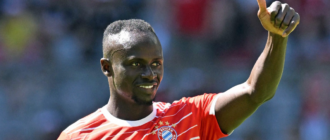
The tension surrounding Sadio Mané’s departure from Bayern Munich has resurfaced after explosive comments made by his advisor, Bakary Cissé. In a recent interview, Cissé spoke openly about the highly publicized altercation between Mané and his former teammate Leroy Sané, accusing both the player and the club of racist behavior and hypocrisy in their handling of the incident. The controversy dates back to April 2023, when reports emerged that Mané had punched Sané in the locker room following Bayern’s Champions League defeat to Manchester City. The club suspended Mané for one match and fined him heavily. However, Cissé now claims that the situation was misrepresented and that Mané was unfairly blamed due to racial bias within the team and management.
“Anyone familiar with European football knows that Leroy Sané is a very arrogant boy,” Cissé stated in his recent remarks. “Sadio Mané never caused problems anywhere he played. Leroy crossed the line. Thirty minutes after the incident, Sané sent Sadio an apology. He realized he had gone too far.” These comments reignite a debate that many thought had ended when Mané left Bayern for Al-Nassr in the Saudi Pro League. But Cissé’s words suggest that deeper issues of respect, racism, and double standards may have played a role in how the conflict was managed internally.
The conflict between Sadio Mané and Leroy Sané was one of the most shocking stories in recent Bayern Munich history. Following the team’s 3-0 loss to Manchester City in the Champions League quarterfinals, tensions ran high in the locker room. According to multiple reports, an argument between the two wingers escalated after Sané allegedly insulted Mané during the match. Witnesses later confirmed that Mané reacted angrily, leading to a brief physical altercation. Although the club officially described it as a “disciplinary issue,” insiders at the time hinted that racially insensitive language might have been used during the confrontation — a claim Bayern never confirmed publicly.
Bakary Cissé’s latest statements seem to confirm what many had long suspected. He insists that Mané’s reaction was provoked, not spontaneous, and that the club’s subsequent punishment of the Senegalese forward was disproportionate.
“People quickly pointed fingers at Sadio because of his background and his character as an African player,” Cissé said. “But few asked what really happened, or what was said to him in that moment.” Cissé also questioned the role of Bayern Munich’s management, suggesting that the club’s response was designed to protect its image rather than seek justice. “They wanted to make an example of Sadio because it was easier to blame him than to confront internal issues,” he said.
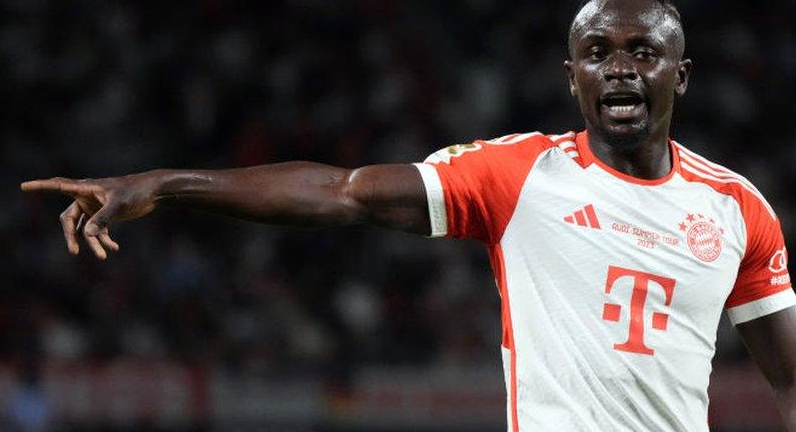
The club’s internal investigation led to Mané being sidelined for several games and ultimately losing his starting place under then-coach Thomas Tuchel. Soon after the season ended, Bayern accepted a transfer offer from Al-Nassr, ending Mané’s brief and turbulent spell in Germany.Bakary Cissé’s comments extend beyond the Mané–Sané dispute. They touch upon a broader concern about racism and inequality in European football — particularly in elite clubs where Black players are often held to stricter standards of behavior than their teammates.
Cissé argued that the treatment Mané received at Bayern reflects a systemic problem. “When a European player gets angry, people say he’s passionate. When an African player does the same, they call him violent or emotional,” he said. “This double standard is what drives many players away from Europe.”
After leaving Bayern Munich in the summer of 2023, Sadio Mané joined Al-Nassr, where he now plays alongside global superstar Cristiano Ronaldo. Despite the controversy surrounding his departure from Europe, Mané has quickly rediscovered his form in Saudi Arabia, becoming a key player for his new club and a fan favorite among supporters.
Cissé, who continues to advise the player, insists that Mané has moved on emotionally from the Bayern incident but wants the truth to be known. “Sadio doesn’t want revenge; he wants fairness,” Cissé explained. “He forgave Sané, but he will not forget how the situation was handled. He learned a lot from it.” Since his move, Mané has spoken positively about life in the Middle East, praising the professionalism of Al-Nassr and the passion of Saudi fans. “It’s a new challenge, a new culture, but I feel appreciated here,” he said in a recent interview. “I’m happy to play football without unnecessary drama.”